- Contact Us Now: (415) 968-1780 Tap Here To Call Us


IRS Deferred Legal Fee Structures: Kugelman Law’s Otto Bosch Quoted in Tax Notes on the Audit Gap


Kugelman Law attorney Otto Bosch was quoted in a Tax Notes article published May 26, 2026 — “More Scrutiny of Deferred Legal Fee Structures Could Be Coming” by Lauren Loricchio — providing the insider perspective on why the gap between an IRS audit campaign announcement and active enforcement is routine, what is happening inside IRS examination training, and what tax practitioners should take from it.
The article addresses the IRS Large Business and International (LB&I) Division’s 2024 audit campaign targeting deferred legal fee structures — arrangements in which law firms representing clients on contingency defer recognition of fee income through third-party structures. The campaign followed the IRS’s 2022 generic legal advice memorandum (AM 2022-007), which concluded that fees deferred through certain third-party arrangements must be included in the law firm’s gross income in the year the funds are transferred to the third party. Attorneys interviewed for the Tax Notes article reported that despite the campaign announcement, they have not yet seen active audit activity in the area.
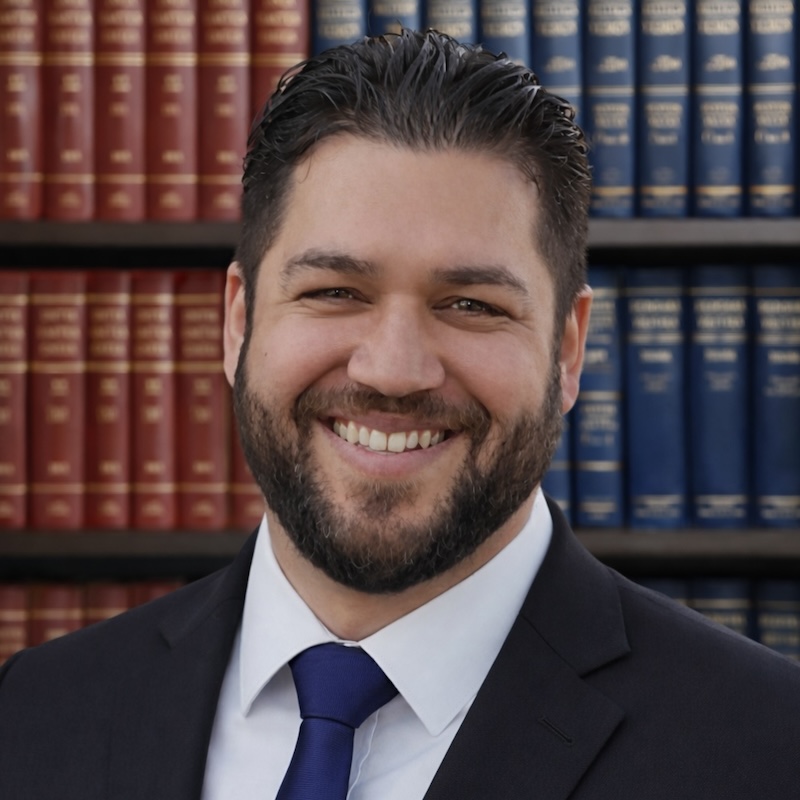
Otto Bosch — a former IRS Revenue Agent from the LB&I Global High Wealth Group who joined Kugelman Law in February 2026 — explained why that gap is normal.
“It is generally normal for an LB&I audit campaign — or any IRS enforcement initiative — to be announced before field agents receive formal training and before training materials are finalized,” Bosch told Tax Notes.
Otto identified the structural reasons for the lag — including required reviews of the Internal Revenue Manual and relevant court decisions — and noted that IRS University, the agency unit responsible for developing and delivering training across the IRS, has been affected by recent changes at the agency.
The Tax Notes piece reports that more than 200 LB&I agents recently received two days of training on the deferred legal fee topic, according to two sources familiar with the matter. That development confirms what Otto and other former IRS practitioners have been telling clients for months: active enforcement is moving from “announced” to “trained” — and the audit window is opening.
Why This Matters for Tax Practitioners and Law Firms Right Now
The announce-then-train gap is structurally normal, as Otto explained. What is not normal is the size of the window the gap creates for practitioners and their clients — and the cost of not using it well.
Three things are true about the current posture of the deferred legal fee campaign:
- The framework that defines compliance is clearer than the rhetoric suggests. The IRS is not targeting all deferred attorney fee structures. As George A. Luecke and Patrick J. Hindert observed in a June 2025 Tax Notes piece cited in the May 2026 article, the campaign does not appear to target structures that are compliant with the framework laid out in Childs v. Commissioner, 103 T.C. 634 (1994). The IRS’s concern is with arrangements that “materially deviate from Childs” — particularly those involving “aggressive promoters, attorney-taxpayer loans, or other structural elements that, while not technically loans, produce similar economic effects for attorney-taxpayers.”
- The promoter investigation tells you where the IRS is going. The Tax Notes reporting confirms that the IRS issued information document requests to Brook-Hollow Capital LLC and Brook-Hollow Financial LLC in August 2023 as part of a Section 6700 investigation into whether the companies organized or promoted abusive tax shelters. The IRS’s understanding of the Brook-Hollow structure — a fee paid to one entity and a loan of up to 97% of the deferred legal fees from a related entity — is the kind of structure most at risk.
- Criminal Investigation is starting to ask questions. The Tax Notes article reports that an IRS special agent asked about deferred legal fee arrangements during a client meeting several months ago, suggesting that IRS-CI is at least exploring the topic. While LB&I has historically been reluctant to make criminal referrals (as former IRS fraud enforcement adviser Michael Welu noted in the article), the involvement of criminal investigators changes the risk calculus for any practitioner whose structures sit outside the Childs safe harbor.
What the IRS-Insider Perspective Adds
One of the reasons Otto was sought as a source for the Tax Notes piece is that the procedural realities of IRS examination — how campaigns are launched, how field agents are trained, how the Internal Revenue Manual is updated, how cases get selected and developed — are not transparent from outside the agency. Practitioners and taxpayers tend to react to enforcement headlines without a clear sense of where the campaign actually is in its operational cycle.
That cycle matters because the right defensive posture depends on the campaign’s stage:
- In the early stages, before active examinations, the priority is positioning — reviewing existing structures against the Childs framework, identifying structural features that materially deviate from it, and considering whether modifications, unwinds, or other proactive steps are warranted.
- As field agents complete training and examinations begin, the priority shifts toward defense readiness — understanding what an LB&I examination of these structures will actually look like, what Information Document Requests the agency is likely to issue, and how the audit will be developed against the framework set out in AM 2022-007 and applied through the lens of Childs.
- Once examinations are active, the priority is execution — defending the specific structure on the specific facts, with the case file built from day one for what comes next at Appeals or in U.S. Tax Court.
The May 2026 Tax Notes reporting suggests the campaign is moving out of stage one and into stage two. For practitioners and law firms with deferred legal fee structures in place — or contemplating them — that transition is the moment when proactive review is most valuable.
How Kugelman Law Approaches These Matters
Kugelman Law advises tax practitioners, law firms, and high-net-worth taxpayers on the full lifecycle of federal tax controversy matters — from pre-controversy structural review through IRS examination defense and, where necessary, U.S. Tax Court litigation. The firm’s combination of capabilities is structured deliberately for matters like this one.
Founder Alex Kugelman brings nearly two decades of federal tax controversy experience, including litigation in U.S. Tax Court and U.S. District Court. Otto Bosch brings the inside-the-IRS perspective from his time as a Revenue Agent in the LB&I Global High Wealth Group — the specialized unit that examines the most complex returns of the wealthiest U.S. taxpayers. We covered the strategic value of this combination in detail in our article on why a former IRS revenue agent attorney changes audit defense, and the underlying examination dynamics in our pieces on what IRS Revenue Agents do and inside the IRS audit playbook.
For practitioners with deferred legal fee structures, the practical question is whether the structure sits comfortably inside Childs, whether any structural elements would be characterized by an LB&I examiner as materially deviating from Childs, and what — if anything — should be done before active examinations begin.
Speak With Kugelman Law
If you advise on or use deferred legal fee structures, or if you have any other complex federal tax controversy matter you would like to discuss, schedule a paid privileged consultation with Kugelman Law. Call (415) 968-1780 or visit our contact page. All consultations are fully protected by attorney-client privilege.
Read the full Tax Notes article: “More Scrutiny of Deferred Legal Fee Structures Could Be Coming” by Lauren Loricchio (Tax Notes, May 26, 2026). Subscription required.
About the Author
Alex Kugelman is the founder and managing attorney of Kugelman Law, a boutique tax controversy and cryptocurrency tax firm serving California and clients nationwide. With nearly two decades of federal tax controversy experience — including litigation in the U.S. Tax Court and U.S. District Court — Alex represents individuals and businesses in their most consequential disputes with the IRS and the California Franchise Tax Board. He is a member of the State Bar of California (No. 255463), admitted to the Bar of the U.S. Supreme Court, and served as San Francisco Chair of the Federal Bar Association’s Tax Division in 2018. He is also a member of the Marin County Assessment Appeals Board and a nationally recognized cryptocurrency tax attorney featured on the Bitcoin.tax podcast and The Mark Milton Show. Read Alex’s full bio.